Key Takeaways
- Top control dishwashers hide control panels on the top edge of the door, offering a sleek exterior but potentially complicating access for some users.
- Front control dishwashers place their control panels on the front face, making adjustments easier but possibly affecting the unit’s aesthetic appeal.
- The placement of controls influences user interaction, cleaning performance, and overall kitchen design integration.
- Choosing between them depends on personal preference, kitchen layout, and how often users need to change settings during cycles.
- Both styles offer similar features in terms of wash cycles, energy efficiency, and durability, but their control locations can impact usability significantly.
What is Top Control Dishwashers?
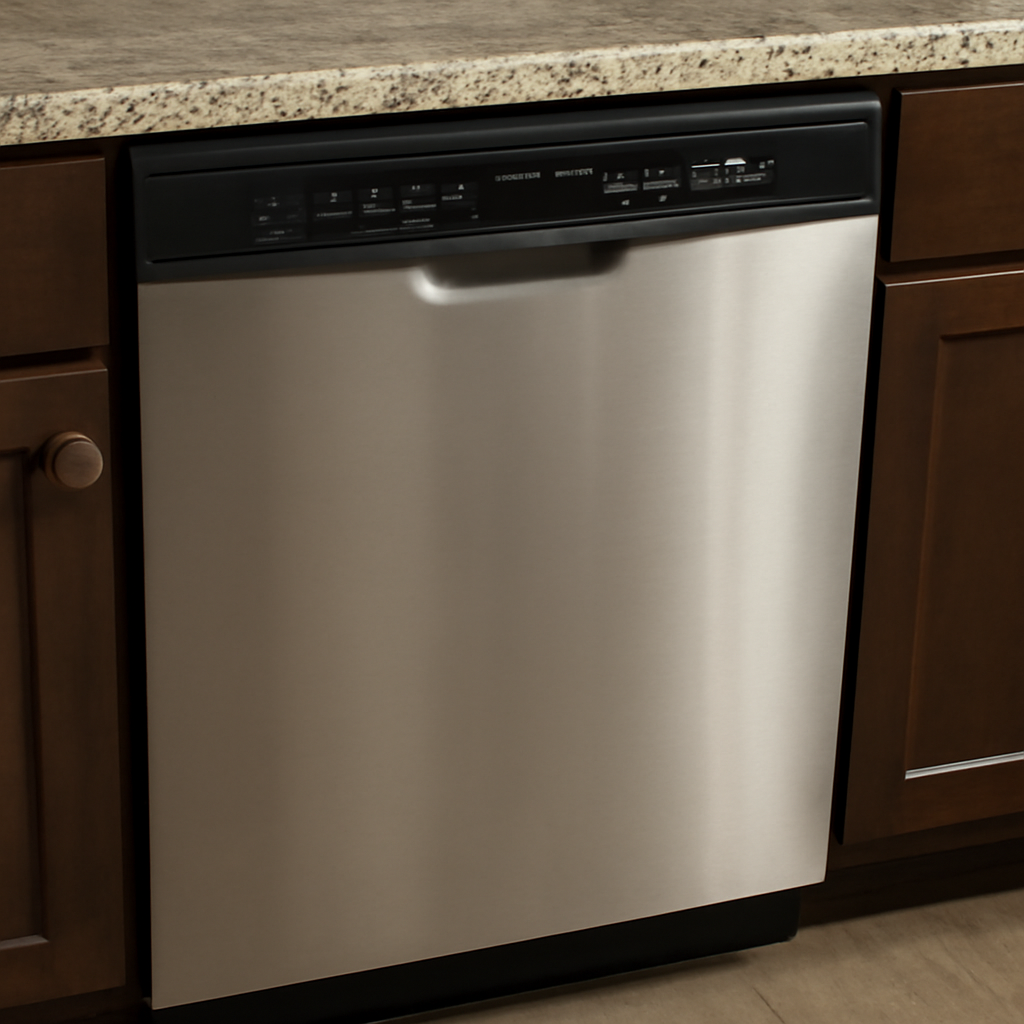
Top control dishwashers are models where the control panel is integrated into the top edge of the door, hidden from view when the door is closed. This design emphasizes a seamless exterior, often blending with modern kitchen aesthetics. The controls become accessible when opening the door, and some models feature touch-sensitive buttons for a sleek look.
Design and Aesthetic Appeal
The main appeal of top control dishwashers is their minimalist appearance. Since the control panel is tucked away, the front surface remains clean, which suits contemporary kitchens with a focus on smooth lines. This hidden feature avoids cluttered appearances, allowing the appliance to blend seamlessly with cabinetry. Many homeowners prefer this for its sleek and uncluttered look, especially in open-concept kitchens where visual harmony matters.
However, the hidden controls may sometimes be less intuitive for users who prefer to see settings at a glance. The lack of visible buttons on the exterior might require opening the door to check or adjust cycles, which can be inconvenient during busy kitchen routines. Also, in older models or budget options, the control interface might be less responsive or harder to read, especially if the panel is touch-based rather than physical buttons.
Another design consideration involves the durability of the control panel. Since the controls are located on the top edge, they are less exposed to water splashes, reducing potential damage. This placement can, however, make troubleshooting or repairs more complex if the control panel malfunctions, as technicians need to access the top edge of the door.
In terms of user interaction, top control models often include features like voice prompts or indicator lights that are discreetly integrated. Some newer models even have smart technology compatibility, allowing control via smartphone apps, but this depends on the specific brand and design sophistication.
Cost and Maintenance
Top control dishwashers tend to be priced higher than front control counterparts, mainly because of their sleek design and advanced control technology. The hidden controls require more precise manufacturing, which adds to the overall cost. Replacement of control panels or repairs can also be more costly because of their location and integration complexity.
Cleaning and maintenance are generally straightforward since the exterior remains free of buttons and knobs. However, the top edge of the door, where the controls are, can accumulate dust or fingerprints, requiring periodic cleaning to maintain aesthetics. If the control panel includes touch-sensitive features, users need to be cautious about cleaning agents that might damage the sensitive surface.
Some models incorporate moisture sensors or self-diagnostic features that alert owners to potential issues with the control system, reducing maintenance surprises. However, if the control panel becomes unresponsive, the entire door assembly might need to be replaced, leading to higher repair costs.
In sum, while top control dishwashers offer a modern, elegant look, their maintenance and repair considerations should be factored into the purchase decision. The investment in these units usually reflects their design sophistication and technological features.
Installation Considerations
Installing a top control dishwasher requires attention to the cabinetry and space available to ensure the control panel is accessible. Many models need a specific countertop or cabinet height to allow unobstructed access to the top edge. This might involve minor modifications in some kitchens to fit seamlessly.
Because the controls are hidden, installers need to ensure that the door alignment is precise so that the panel remains accessible and functional. Incorrect installation could lead to difficulties in opening or closing the door properly, affecting the user experience.
Electrical wiring and plumbing are similar to traditional dishwashers, but the control panel’s location on the top edge may demand additional considerations for wiring routing or access. In some cases, the installer might need to remove or adjust cabinetry to accommodate the control panel’s placement.
Furthermore, the door’s hinge placement and the overall weight distribution influence ease of installation and future maintenance. Well-designed models incorporate features that simplify installation, but complexity increases with integrated control panels, which might require professional setup.
Overall, choosing a top control dishwasher involves ensuring that the kitchen design supports its aesthetic and functional requirements. Proper installation is critical to maximize usability and prevent future issues related to access or control functionality.
What is Front Control Dishwashers?
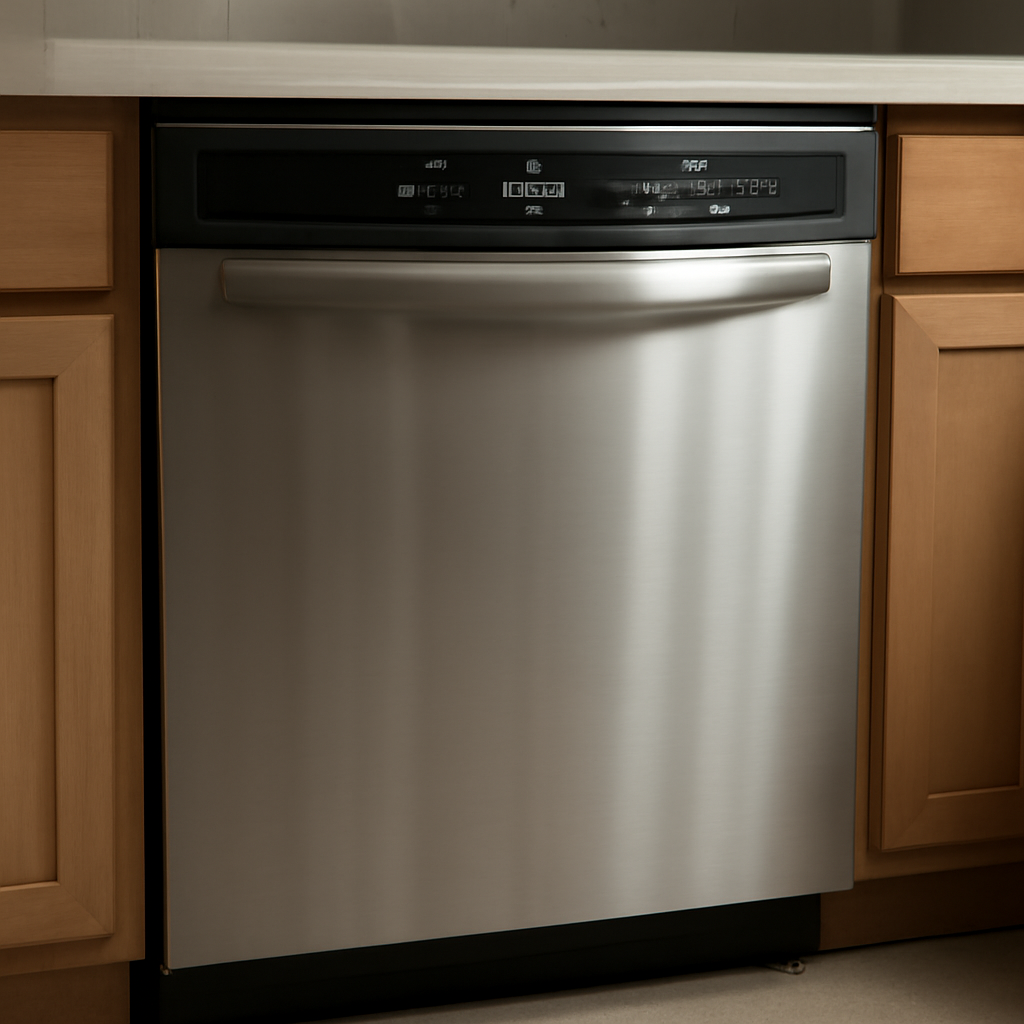
Front control dishwashers showcase their control panels on the front face of the door, making adjustments visible and accessible at all times. This traditional design provides a straightforward user interface, often with physical buttons, knobs, or digital displays. They are favored for their ease of operation and familiarity in many households.
Design and Usability
The front control layout is favored for its simplicity, providing immediate access to cycle options and settings without opening the door. Users can quickly see which cycle is active or change settings mid-cycle if needed. This visibility can be particularly helpful for busy kitchens where time efficiency matters.
Design-wise, front control models tend to have a more prominent control panel that can be customized with various features. For example, some units have illuminated buttons or digital screens showing cycle progress, making operation more intuitive. Although incomplete. The exposed controls also allow for more tactile feedback, which some users find preferable.
However, the front-facing controls can interfere with the overall aesthetic of a kitchen, especially in minimalist or modern designs. They may make the appliance look busier or less streamlined, which could clash with cabinetry or decor. Although incomplete. For homeowners prioritizing visual harmony, this aspect might be a drawback.
Additionally, the control placement can sometimes make the panel vulnerable to water splashes or dirt, requiring regular cleaning to keep the interface clear. Physical buttons, especially, can accumulate grime over time, affecting responsiveness. Some models incorporate water-resistant controls to mitigate this issue.
In terms of user interaction, front control dishwashers tend to be more user-friendly for those unfamiliar with smart technology. They often include manual dials or dedicated buttons that require no learning curve, making them accessible for all age groups and tech comfort levels.
Cost and Accessibility
Generally, front control dishwashers are more budget-friendly than their top control counterparts because of their simpler manufacturing process. They often cost less initially, making them attractive to budget-conscious consumers. Repair costs might also be lower due to easier access to control components.
Cleaning and maintenance are straightforward because the control panel is exposed, allowing quick wiping down of buttons or digital displays. This design also facilitates quick troubleshooting if controls become unresponsive, as the interface is directly accessible.
Some front control units include additional features like delayed start or cycle memory, accessible via the front panel. These features are easy to operate and can improve overall user experience, especially for busy households.
Installation is generally simplified because the controls are fixed on the door’s front, with standard wiring and mounting requirements. This ease of setup often translates into faster installation times and lower service costs.
Overall, front control dishwashers are favored for their practicality, affordability, and ease of use, making them a popular choice across various kitchen styles and user preferences.
Comparison Table
Below is a detailed comparison of top control and front control dishwashers covering key aspects that influence purchase decisions:
| Parameter of Comparison | Top Control Dishwashers | Front Control Dishwashers |
|---|---|---|
| Control visibility | Controls hidden under the top edge of the door | Controls are visibly placed on the front face |
| Design appeal | Sleek, seamless exterior with hidden panels | More traditional, with visible buttons and displays |
| User accessibility | Requires opening the door to view or change settings | Immediate access without opening the door |
| Ease of cleaning | Minimal exterior controls, easier to wipe | Controls exposed, may need more frequent cleaning |
| Cost | Higher price point due to advanced design | Lower initial costs |
| Repair complexity | Potentially higher due to integrated control panel | Easier to service, accessible controls |
| Installation considerations | Requires precise fitting for top edge access | Standard installation, straightforward hookup |
| Durability of controls | Resistant to water splashes, but repair can be costly | More exposed to dirt, but easier to replace |
| Smart technology integration | More common in high-end models with app control | Less frequent, mostly manual controls |
| Aesthetic compatibility | Best suited for modern, minimalist kitchens | Fits traditional and casual kitchen styles |
Key Differences
Here are some distinct differences between the two styles:
- Control placement — Top control models hide their controls on the top edge, while front control models display them openly on the door face.
- Visual design — The appearance of top control dishwashers offers a cleaner look, whereas front control units are more traditional with visible buttons and screens.
- Ease of use during operation — With front control models, users can instantly see and modify settings, unlike top control models where opening the door is necessary.
- Cleaning and maintenance access — Front control panels are easy to wipe and service, but top controls are protected from splashes, reducing dirt accumulation.
- Cost implications — Top control dishes tend to come at a premium, reflecting their advanced design and technology, whereas front control units are typically more budget-friendly.
- Compatibility with kitchen styles — Modern kitchens often prefer top control for sleekness, while traditional kitchens may favor front control for familiarity.
- Repair complexity — Repairing top control panels can be more complex and costly compared to front control models where controls are more accessible.
FAQs
Can top control dishwashers be more prone to accidental activation?
Since the controls are hidden, some users might accidentally press the top edge when opening or closing the door, especially if the panel is touch-sensitive. However, many models incorporate safety features like child locks or touch guards to prevent unintended operation. The design also minimizes accidental presses during daily use, which can be an advantage for households with children.
Are front control dishwashers more energy efficient?
Energy efficiency largely depends on the specific model rather than control placement. Nonetheless, front control dishwashers often have more straightforward interfaces that allow for easier setting adjustments, potentially leading to better cycle management. They can also incorporate features like delayed start, helping users optimize energy consumption during off-peak hours.
Do control panel materials affect durability?
Yes, the materials used in the control panels influence how long they last. Top control panels, especially those with touch-sensitive surfaces, are often made from durable tempered glass or high-grade plastics. Front control panels with physical buttons are typically made from resistant plastics that can withstand frequent use and cleaning. Proper maintenance and avoiding harsh chemicals extend their lifespan regardless of placement.
Which style offers better resale value?
Both can influence resale value based on the kitchen’s overall design and buyer preferences. Although incomplete. Modern buyers may favor top control dishwashers for their sleek aesthetics, potentially increasing resale appeal in contemporary homes. However, traditional homeowners might prefer front control models for their familiarity and ease of operation, which can also positively impact resale in certain markets.